
Coyote Valley: Deep History in the High Rockies
Winner of the 2017 Colorado Book Award, History
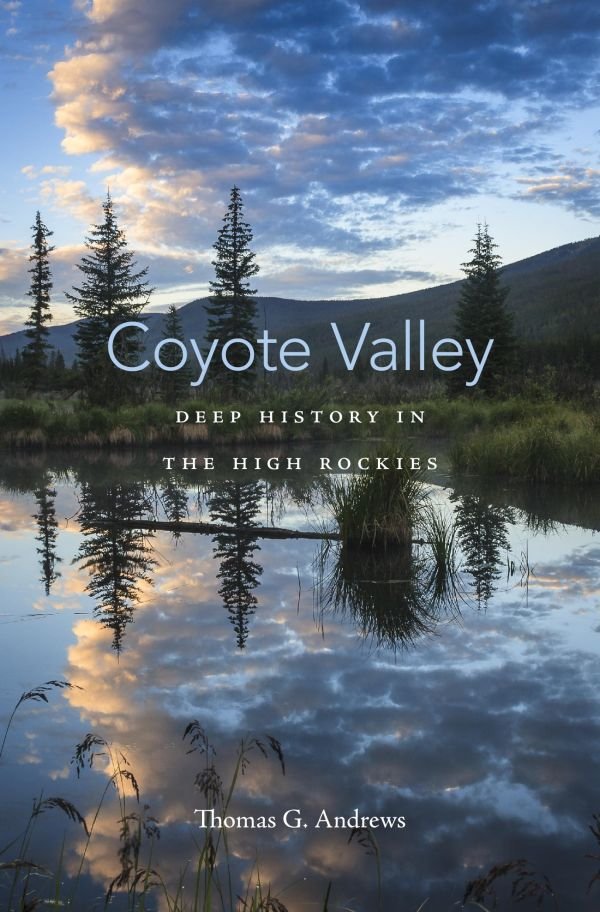
Deep History in the High Rockies
What can we learn from a high-country valley tucked into an isolated corner of Rocky Mountain National Park? In this pathbreaking book, Thomas Andrews offers a meditation on the environmental and historical pressures that have shaped and reshaped one small stretch of North America, from the last ice age to the advent of the Anthropocene and the latest controversies over climate change.
Large-scale historical approaches continue to make monumental contributions to our understanding of the past, Andrews writes. But they are incapable of revealing everything we need to know about the interconnected workings of nature and human history. Alongside native peoples, miners, homesteaders, tourists, and conservationists, Andrews considers elk, willows, gold, mountain pine beetles, and the Colorado River as vital historical subjects. Integrating evidence from several historical fields with insights from ecology, archeology, geology, and wildlife biology, this work simultaneously invites scientists to take history seriously and prevails upon historians to give other ways of knowing the past the attention they deserve.
From the emergence and dispossession of the Nuche—“the People”— who for centuries adapted to a stubborn environment, to settlers intent on exploiting the land, to forest-destroying insect invasions and a warming climate that is pushing entire ecosystems to the brink of extinction, Coyote Valley underscores the value of deep drilling into local history for core relationships—to the land, climate, and other species— that complement broader truths. This book brings to the surface the critical lessons that only small and seemingly unimportant places on Earth can teach.
Buy Here


What are people saying?
“Andrews has both the broad vision and the penetrating focus that major historians need… A compelling [book].”
—Mark Abley, Times Literary Supplement
“Andrews has followed up his Bancroft Prize–winning Killing for Coal with an exquisitely wrought portrait of an out-of-the-way place that must be central to our understanding of the American West’s past, present, and future: the headwaters of the Colorado River in what today is Rocky Mountain National Park. Coyote Valley is brilliant and beautiful, a must-read for anyone interested in the complex history of the nation’s iconic landscapes.”
—Ari Kelman, author of A Misplaced Massacre: Struggling over the Memory of Sand Creek
“In this gracefully written, insightful, deeply researched history of an under-studied part of North America, Andrews tells a story of the fracturing of an environmental order. The chronological scope and interdisciplinary breadth of the work are impressive. This is environmental history at its best.”
—Andrew Isenberg, author of The Age of the Borderlands: Indians, Slaves, and the Limits of Manifest Destiny, 1790-1850
“In this smart and ambitious book, Thomas G. Andrews tries to reconcile large and small by focusing on the Kawuneeche Valley of Colorado (Coyote Valley, as translated from Arapaho), a part of Rocky Mountain National Park… This book is a model for breaking down needless barriers between public history and academic history.”
—Matthew Klingle, Journal of American History
Coyote Creek
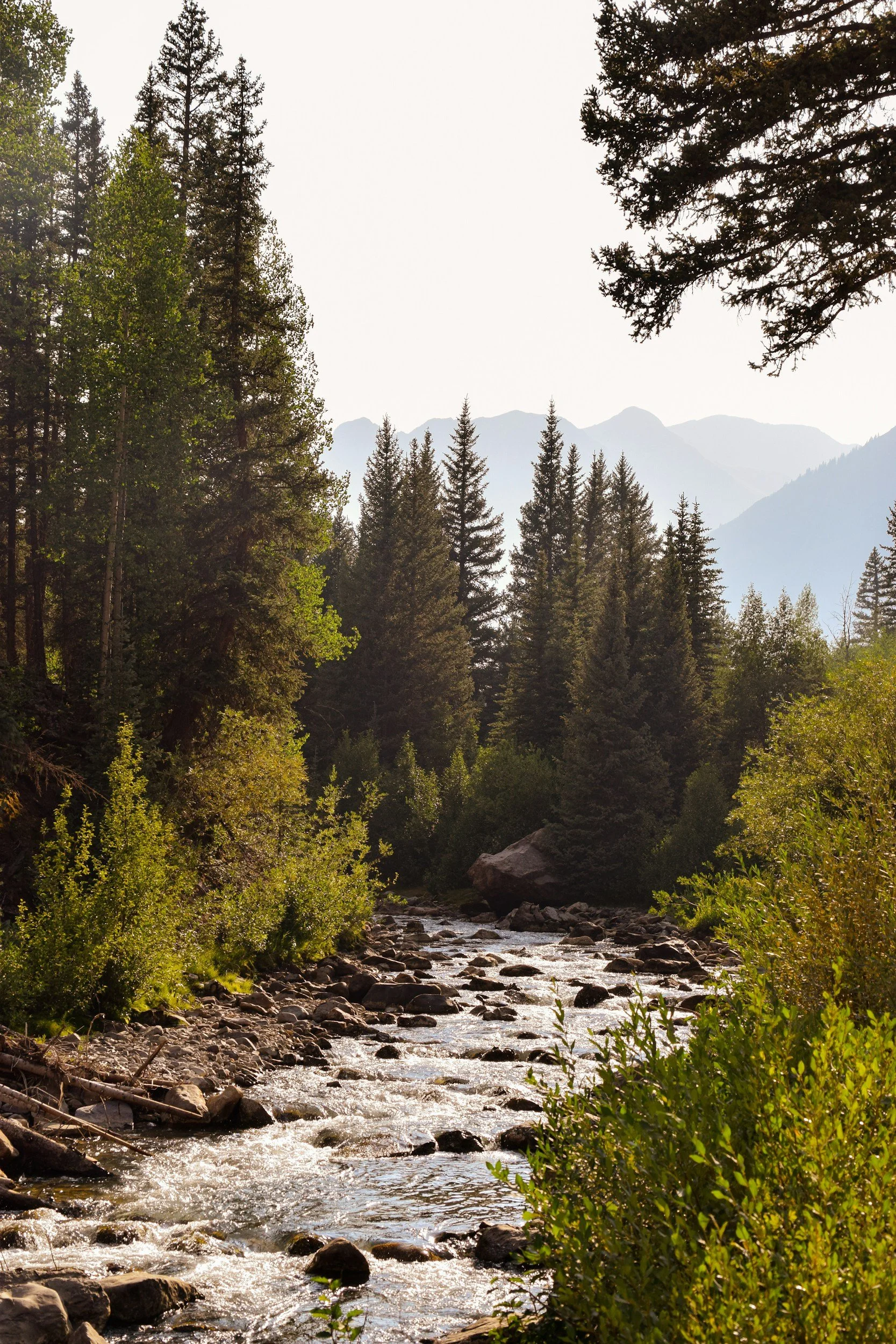
WHAT IF you were to take one small stretch of soil and explore the story of people and nature there over as long a span of time as the scientific and historical evidence would allow? What could you learn about that place—and what, in turn, could that tiny corner of the earth reveal about broader patterns of human-environment interaction across time and space? From Henry David Thoreau and Aldo Leopold to William Cronon and Terry Tempest Williams, this exercise of attending closely to little pieces of the planet has propelled nature writers, environmental historians, and kindred spirits to produce microhistories of place that fulfill William Blake’s injunction “to see a world in a grain of sand.”